Staying in the Present Moment: Why It Matters and How to Do It
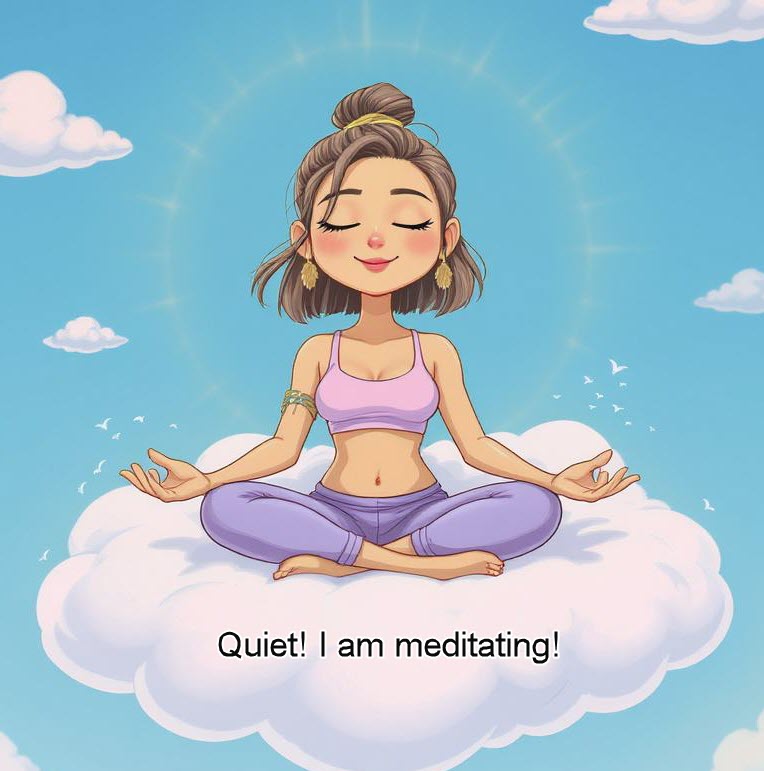
In a world that moves quickly and demands our attention from every direction, “staying present” can feel like a luxury—something we’ll get to once our to-do lists are shorter, the notifications stop, or life finally slows down. But presence isn’t something that happens when life becomes quiet. When we have quiet time, sitting in a “zen” position with nothing around to distract us. Out side of a yoga class, times like this can be rare to non-existent. But it is possible to intentionally create this space in the middle of the noise.
Being in the present moment means fully engaging with what’s right in front of you—your breath, your surroundings, the person you’re speaking with (this is a really big one for me) or the task you’re working on. It’s simple in theory, but in practice, our minds love to wander. They rehash old conversations, replay worries about the future, and hop endlessly between distractions. The result? We miss the richness of what’s happening right now.
I am so embarrassed when I am talking with someone and I realize i have not heard what they have been saying. “This is very bad, Presence! You must give this person your full attention.” My inner voice shames me. But this very act of contrition can actually keep me from continuing to not hear to my interlocutor. Oy vey! It’s a vicious circle!
Why Presence Matters. When we’re present, we give ourselves a break from the mental tug-of-war between past and future. Studies have linked present-moment awareness to reduced stress, greater emotional balance, higher creativity, and stronger relationships. Presence turns everyday moments—drinking your morning coffee, walking the dog, folding a pajama or even washing dishes—into small grounding rituals.
More importantly, the present moment is the really the only place where life actually happens. It’s where we make choices, connect with others, and experience joy. So it really is pretty important we be there and not running on autopilot. Because we all know where auto pilot can lead, right?

Common Barriers to Staying Present Many of us struggle with presence because:
- We’re overwhelmed. A busy schedule trains the mind to think ahead constantly.
- We’re overstimulated. Notifications, background noise, and endless content compete for attention.
- We’ve developed habits of distraction. Multitasking may feel productive, but it fractures focus.
- We avoid discomfort. The present moment can reveal feelings we’d rather ignore.
Recognizing these barriers is the first step in loosening their grip.
Practical Ways to Stay in the Present Moment. You don’t need a meditation cushion or a long morning ritual to cultivate presence. Small, consistent shifts make the biggest difference.
1. Start with your breath
Your breath is always available, and it’s an instant anchor. Try pausing for a simple inhale through the nose, a slow exhale through the mouth. It brings your attention back into your body.
2. Do one thing at a time
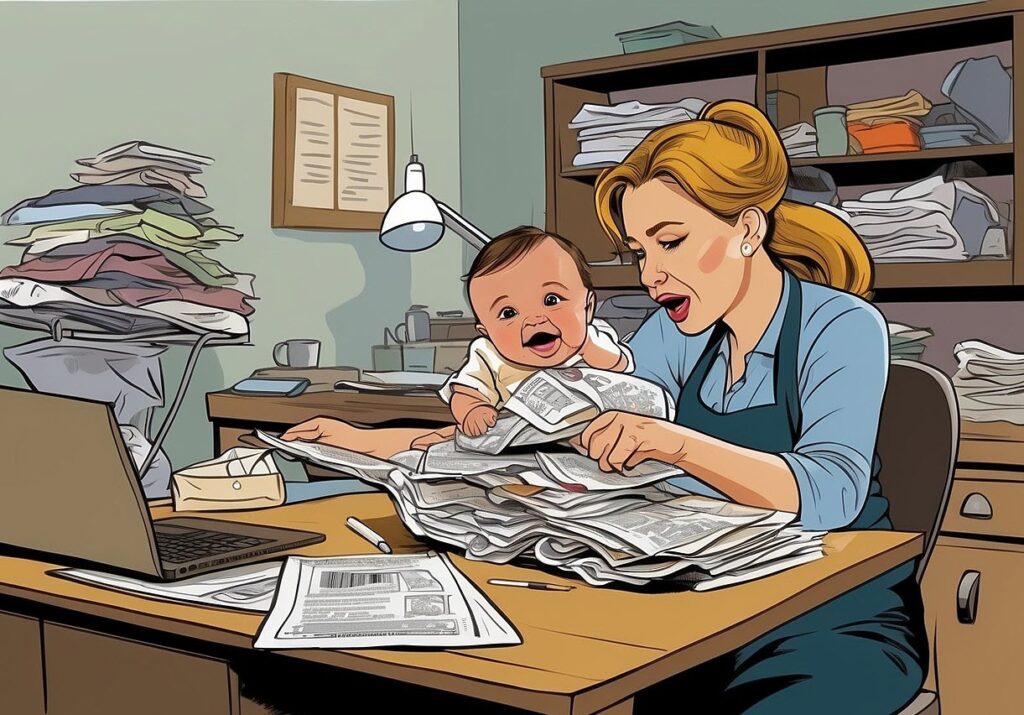
Single-tasking is a surprisingly powerful mindfulness practice. Whether you’re eating, feeding the baby, checking email, or paying bills, focus on that one activity until you’re done.
3. Use your sensesGround yourself by noticing:
- What you see
- What you hear
- What you feel
- What you smell
- What you taste
This works especially well when your mind feels scattered.
4. Build “micro-moments” of awareness. Waiting in line, sitting at a red light, or walking from one room to another—these are opportunities to pause, breathe, and reconnect with the present.
5. Practice acceptance. Presence isn’t about forcing calm; it’s about allowing what’s happening to be exactly what it is, without rushing to fix or judge it. Acceptance softens resistance.
6. Put the phone down sometimes. I love tech as much or more than most. But even a few tech-free moments throughout the day can help settle my mind and keep me more aware of what is right around you.
Presence Is a Practice, Not Perfection. No one stays present all the time. Minds wander—that’s what minds do. What matters is noticing when you’ve drifted and gently returning to the now. Every return builds the muscle of awareness. Staying in the present moment isn’t about escaping responsibilities or ignoring the future. Quite the opposite. It’s about actually living the moments that make up your life instead of rushing past them. When you practice presence, even for a few minutes a day, you create more clarity, more connection, and more ease. And these moments can feel just great! Enough so that you will look forward to your “moments of zen”.
#presence #stillness #peaceful #relaxation #calm #at ease